BMW Brake Repair Service in Bay Shore, NY
Brake Warning Signs on a BMW Start Before Any Light Comes On
BMW brake systems are engineered to perform at a high level and designed to communicate when service is approaching — through wear sensors, iDrive messages, and physical symptoms that appear well before anything becomes urgent. The key is recognizing those signals early rather than waiting for the grinding that means the damage is already done. The service team at Habberstad BMW Bay Shore inspects, diagnoses, and services BMW brake systems using the correct parts and procedures for your specific model, from routine pad and rotor replacement to brake fluid service and caliper work.
BMW Brake System Components and How They Work Together
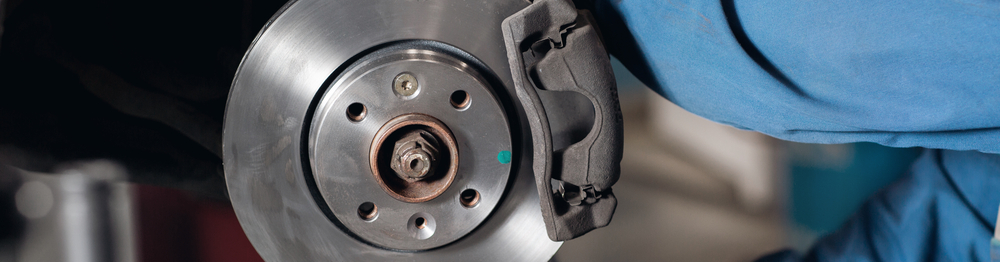
Every BMW uses a four-wheel disc brake system with brake pads, rotors, and calipers at each corner. When the driver presses the brake pedal, hydraulic pressure moves through the brake lines and pushes the caliper pistons against the brake pads, which clamp the spinning rotor and convert vehicle speed into heat. The quality of that stopping power depends on the condition of every component in that chain — pads with adequate friction material, rotors with sufficient thickness and a flat surface, calipers that move freely, and brake fluid that has not absorbed enough moisture to compromise hydraulic pressure.
BMW equips most models with electronic brake pad wear sensors embedded in the brake pads at the front and rear axles. When the friction material wears to the sensor's depth, the sensor contacts the rotor and triggers a warning on the iDrive display. This is the built-in notification system BMW uses to flag pad replacement before metal-to-metal contact begins. The warning is model-specific and communicates which axle the worn pads are on.
- Brake pads convert kinetic energy to heat through friction against the rotor surface
- Rotors must meet BMW's minimum thickness specification — below that, they cannot dissipate heat effectively
- Electronic wear sensors in BMW pads trigger an iDrive warning before the pads wear to metal contact
- Brake fluid transfers pedal force hydraulically and must stay within specification to maintain consistent pedal feel
BMW's active safety systems — including ABS, Dynamic Stability Control, and Dynamic Traction Control — all depend on the brake system functioning correctly. These systems modulate individual wheel braking to maintain control during hard stops and unstable road conditions. When brake components are worn or operating outside their intended parameters, these systems cannot compensate fully for what the underlying hardware is no longer providing.
What to Watch for and When to Schedule a Brake Inspection
An iDrive brake pad warning message is the clearest signal that service is due, but it is not the only one worth paying attention to. A high-pitched squeal during light braking — not to be confused with the brief squeal some pads produce on a cold, damp morning — often indicates the mechanical wear tab on the pad backing plate contacting the rotor. This sound is intentional and is a secondary indicator that the pads are approaching their service limit. Ignoring it leads to the grinding that signals metal-to-metal contact and rotor damage.
Brake pedal feel and vehicle behavior during braking are also worth monitoring. A pedal that feels soft or spongy compared to how it used to feel can indicate air in the brake lines or brake fluid that has absorbed enough moisture to affect hydraulic performance. A vehicle that pulls noticeably to one side under braking often points to a sticking caliper or uneven pad wear between the left and right sides of the same axle.
- An iDrive brake pad wear warning message indicating front or rear pads are due for replacement
- Squealing during braking that persists beyond light morning use on cold or wet days
- Grinding sounds during braking, which indicate metal-to-metal contact and likely rotor damage
- A soft or spongy pedal feel, or a pedal that travels further than usual before firm resistance
- Vibration or pulsation felt through the brake pedal during moderate to hard stops
- The vehicle pulling to one side when the brakes are applied
Brake fluid service is worth noting separately. Brake fluid absorbs moisture from the atmosphere over time through the hydraulic system, and as the moisture content rises, the fluid's boiling point drops. Fluid that has absorbed significant moisture can vaporize under hard braking, producing a soft pedal at exactly the moment firm stopping power is needed. BMW recommends brake fluid replacement on a time-based interval — typically every two years — regardless of mileage, because fluid condition is driven by moisture absorption rather than use.
Brake Services Performed at Habberstad BMW Bay Shore
From a thorough inspection to pad and rotor replacement to brake fluid service, our team handles every level of BMW brake work. Here is what each service covers.
Brake System Inspection
A brake inspection measures pad thickness at each wheel position, checks rotor thickness against BMW's minimum specification, and evaluates caliper operation and brake line condition. We also check for uneven wear patterns that can indicate a sticking caliper or suspension issue causing inconsistent pad contact. If all components are within specification, that finding is documented. If any component is due for service, we walk through the measurements with you before any repair is recommended.
Brake Pad and Rotor Replacement
We replace brake pads and rotors using components that meet BMW specifications for friction material, rotor metallurgy, and dimensional tolerances. BMW brake pads and rotors are paired by design — using pads not matched to the rotor compound can affect both stopping distance and rotor wear. After replacement, brake pads are properly bedded and the electronic wear sensor is reset through BMW diagnostic software so the iDrive system reflects the correct service status going forward.
Brake Fluid Service
Brake fluid service removes moisture-contaminated fluid from the hydraulic system and replaces it with fresh fluid meeting BMW's specification for your model. We test the fluid's moisture content before the service to confirm it is due, and flush the system completely rather than topping it off. The result is restored hydraulic performance and a boiling point that matches what BMW's brake system was designed to rely on under demanding conditions.
Brake Service Matched to BMW Standards at Every Appointment
Brake service on a BMW is not one-size-fits-all. Rotor specifications, pad compound requirements, and minimum thickness tolerances vary across models, and the correct specification for your vehicle is confirmed before any component is ordered or installed. BMW braking systems are calibrated with specific friction and thermal characteristics in mind — components that do not meet those standards affect stopping performance and can cause premature wear on the parts they contact.
After pad and rotor replacement, wear sensor reset is completed through BMW diagnostic software to clear the iDrive warning and update the system's service record. A sensor that is not reset leaves the brake warning active on the display even with new components installed — an avoidable situation that does not happen when the service is completed correctly the first time.
- BMW-specified brake pads and rotors confirmed for your model before any installation
- Rotor thickness measured against BMW minimums — components below specification are replaced, not resurfaced
- Electronic wear sensor reset completed through BMW diagnostic software after every pad replacement
- Brake fluid moisture content tested before fluid service to confirm replacement is warranted
Caliper condition is evaluated at every brake inspection. A caliper that is not releasing fully causes the pad to maintain contact with the rotor even when the brakes are not applied, which accelerates pad and rotor wear significantly and can produce a burning smell after highway driving. Identifying a sticking caliper during an inspection avoids the cost of replacing pads and rotors again sooner than necessary because the underlying cause was not addressed.
Brake Service at Habberstad BMW Bay Shore
Brake inspections, pad and rotor replacement, and brake fluid service are all available at our Bay Shore service center for every BMW model. Most brake pad and rotor replacements are completed the same day. Caliper repairs or more involved brake system work may require additional time, and we communicate a realistic timeline at check-in along with anything found during the inspection that falls outside the original scope of the appointment.
If you have received an iDrive brake warning, heard squealing or grinding, or noticed a change in pedal feel, scheduling promptly is the right call. Brake components do not improve with additional miles once wear has advanced past a certain point, and the cost of addressing the issue typically increases the longer it is deferred.
- Brake inspections, pad and rotor replacement, and fluid service available for all BMW models in Bay Shore
- Same-day completion available for most brake pad and rotor replacement appointments
- Wear sensor reset and system verification completed after every pad replacement
Find Habberstad BMW Bay Shore
Serving Bay Shore and the Surrounding Long Island Area
BMW owners from across Long Island bring their vehicles to Habberstad BMW Bay Shore for brake inspections and repair. Whether you are responding to a brake warning on the iDrive display, hearing something unfamiliar when you stop, or simply due for an inspection, our service team identifies what the brakes actually need and takes care of it with the right parts for your model.
- Bay Shore, NY
- West Islip, NY
- Babylon, NY
- Lindenhurst, NY
- Copiague, NY
- Amityville, NY
- North Babylon, NY
- Islip, NY
If you want to describe what you are hearing or feeling before scheduling, call our service desk. We can help you figure out whether the symptom sounds like a pad issue, a rotor issue, or something worth checking sooner rather than later.
BMW Brake Questions from Bay Shore Drivers
These are the brake questions our service advisors field most often from BMW owners across the area.
Q: How do I know when my BMW brakes need service?
Q: Do BMW rotors need to be replaced with the brake pads?
Q: How often should BMW brake fluid be replaced?
Q: Why is my BMW pulling to one side when I brake?
Q: Does Habberstad BMW Bay Shore service brakes on all BMW models?
Hearing something from your brakes you cannot quite describe? Call our service desk and tell us what you are noticing — we can usually help you identify whether it sounds urgent or whether it is something to monitor before your next scheduled visit.
Clear answers before you come in, correct service when you do. That is how we work.
Schedule BMW Brake Service at Habberstad BMW Bay Shore
Brakes are the one system on your BMW where deferred maintenance carries direct safety consequences. Pads worn past the sensor are pads wearing into the rotor. Rotors scored from metal contact are rotors that need replacement on top of the pads. Brake fluid past its service interval is fluid with a lower boiling point than the system was designed to rely on. None of those situations improve by waiting.
Our service team inspects the full brake system, not just the component that triggered the appointment. Every pad replacement includes a wear sensor reset through BMW diagnostic software and a verification that the iDrive system reflects the correct service status. Every recommendation is based on measured condition, not a service schedule that assumes wear without confirming it.
Book online, call during service hours, or stop by. If your BMW is telling you the brakes need attention, this is the right place to have it handled.