BMW Coolant System Service in Bay Shore, NY
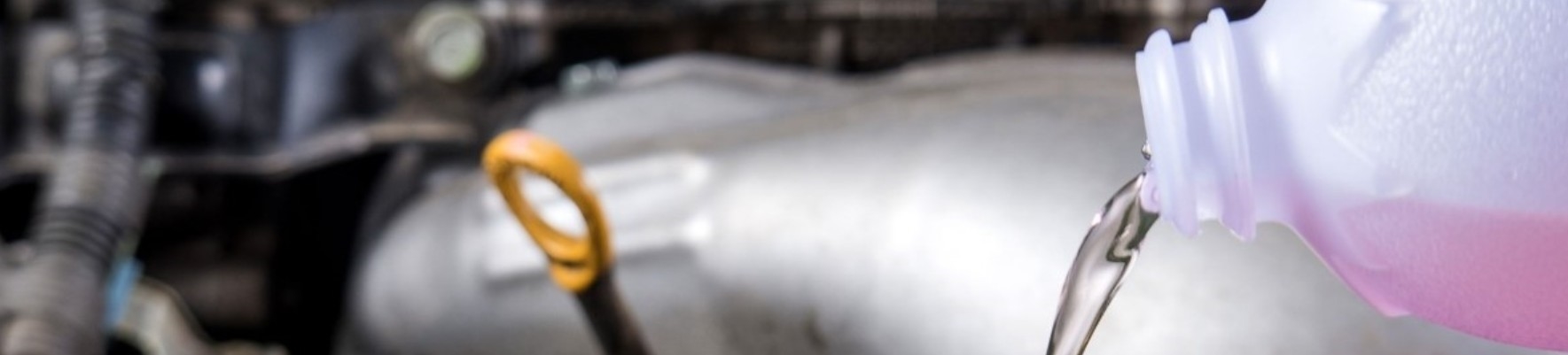
The Cooling System Is the First Line of Defense Against the Heat Every BMW Engine Produces
BMW engines generate significant heat during normal operation, and the cooling system is what keeps that heat within a range the engine can tolerate. When the system develops a leak, the coolant degrades past its service life, or a component fails, the consequences move quickly from a warning message to an overheating event to engine damage. The service team at Habberstad BMW Bay Shore inspects, pressure-tests, and services BMW cooling systems using BMW-specified coolant and procedures matched to your specific model — not a generic approach that misses what makes these systems different.
How the BMW Cooling System Manages Engine Temperature
The BMW cooling system circulates coolant between the engine and the radiator to absorb combustion heat at the engine and release it to the outside air through the radiator. Unlike most conventional vehicles that use a belt-driven mechanical water pump, many BMW models use an electrically driven water pump controlled by the engine management system. This gives the DME direct control over coolant flow based on actual operating demands rather than engine speed, allowing more precise temperature management across different driving conditions.
The thermostat on many BMW models is also electronically controlled rather than wax-element based. The DME can adjust the target operating temperature within a range depending on load, speed, and driving conditions — running the engine slightly warmer under light load for fuel efficiency and pulling temperatures down under heavy load for protection. This level of precision means the cooling system is actively managed rather than passively regulated, and a component that is not communicating correctly affects the entire strategy.
- Many BMW models use an electric water pump controlled by the DME rather than a belt-driven mechanical pump
- The electronically controlled thermostat allows the engine to operate at an optimized temperature across varying conditions
- BMW-specific coolant is required — universal or green coolants can corrode the aluminum components in these systems
- The pressurized coolant expansion tank is a known failure point on many BMW models and should be inspected regularly
Coolant itself degrades over time regardless of how many miles have been driven. The corrosion inhibitors in BMW's coolant formula deplete as the fluid ages, leaving aluminum components — the radiator, cylinder head passages, and water pump housing — exposed to electrochemical corrosion. pH levels drop as the inhibitor package breaks down, which accelerates that process. Coolant past its service interval may look clean visually but is no longer providing the protection it was formulated to deliver.
Warning Signs of a BMW Cooling System Problem
A low coolant warning on the iDrive display means the level in the expansion tank has dropped below the minimum mark. That drop can come from a slow external leak, a developing internal leak, or a failing expansion tank cap that is not holding system pressure. Topping off the fluid without finding out why the level dropped addresses the symptom without the cause — the level will fall again through the same path, and if the reason is a slow internal leak, the consequences can escalate quickly.
External coolant leaks often make themselves known through a sweet smell from the engine bay after a drive, or a small puddle beneath the vehicle that is not oil or condensation from the AC drain. Leaks caught early at a hose connection, the expansion tank, or a radiator fitting are typically straightforward to repair. Leaks that go unaddressed long enough to cause overheating introduce a very different set of repair costs. A BMW that is genuinely overheating should be stopped and not driven further until the cause is identified.
- A low coolant warning on the iDrive display or a coolant level that keeps dropping after being topped off
- A sweet smell from the engine bay after driving, which can indicate coolant burning off a hot surface
- Visible puddles of coolant beneath the vehicle after it has been parked
- A temperature gauge that reads higher than normal during regular driving
- White exhaust smoke, which can indicate coolant entering the combustion chamber through a head gasket
- A cabin heater that produces little or no warm air when the engine is fully at operating temperature
Heater performance is worth noting as a cooling system indicator. Coolant circulates through the heater core to warm the cabin, and a low coolant level, a stuck-open thermostat, or a blocked heater core can all prevent the cabin from heating properly even when the engine is running at normal temperature. A heater that has always been adequate and suddenly is not is a sign worth following up on, particularly if there are no other obvious symptoms yet.
Coolant System Services at Habberstad BMW Bay Shore
From a pressure test and inspection to a complete coolant flush to component-level repair, our service team handles every level of BMW cooling system work. Here is what each service involves.
Cooling System Inspection and Pressure Test
An inspection checks coolant level, condition, freeze protection, and pH against BMW's acceptable range. A pressure test pressurizes the system to its operating specification and holds that pressure while hoses, the radiator, the expansion tank, and connection points are inspected for leaks. Leaks too small to produce a visible puddle under normal conditions often show clearly under pressure. If the system holds and fluid condition is acceptable, those findings are documented. If a problem is identified, we walk through it with you before any repair is recommended.
Coolant Flush and Refill
A coolant flush removes the old fluid from the entire system — not just the expansion tank — and replaces it with BMW-specified coolant at the correct concentration for your model. Topping off the reservoir without flushing dilutes the corrosion inhibitor package and changes the coolant-to-water ratio without removing the degraded fluid already circulating through the system. A complete flush restores full freeze and boil-over protection and resets the corrosion inhibitor content to the level BMW specifies for these cooling systems.
Cooling System Component Repair
When the inspection identifies a failed or failing component — a cracked expansion tank, a leaking hose, a water pump fault, or a stuck thermostat — we use BMW-quality parts for the replacement. Many cooling system components are model-specific in their dimensions and operating parameters. After any component repair, the system is refilled with BMW-specified coolant, pressure-tested, and verified for correct temperature operation before the vehicle is returned.
Precision Cooling System Service for Every BMW Model
Every cooling system appointment at Habberstad BMW Bay Shore starts with testing the fluid before any recommendation is made. Coolant that looks clean can still have a depleted inhibitor package and a pH that has fallen below the acceptable range. We measure coolant pH and freeze protection level as part of every inspection, so the recommendation to flush is based on what the fluid is actually doing rather than how long it has been in the system.
BMW-specific coolant is not a preference — it is a requirement for these vehicles. BMW cooling systems contain a significant proportion of aluminum components, including the radiator, water pump housing, and cylinder head passages. Coolants formulated with silicate or phosphate inhibitor packages designed for iron and steel systems are not compatible with aluminum and can cause internal corrosion that is not visible until a component fails. BMW's coolant formula uses a different inhibitor chemistry specifically designed to protect these materials.
- Coolant pH and freeze protection measured at every cooling system inspection
- BMW-specified coolant confirmed and used for every flush and refill appointment
- Pressure testing performed to identify leaks not visible under normal operating conditions
- Temperature operation verified after every component repair before the vehicle leaves the bay
The electric water pump found on many BMW models requires additional steps beyond a standard pump replacement. Because it is electronically controlled, a function test through BMW diagnostic software confirms the replacement pump is communicating correctly with the DME and operating at the flow rates the system expects. A pump installed without that verification may have an undetected communication fault that affects how the DME manages cooling system behavior from that point forward.
Coolant System Service at Habberstad BMW Bay Shore
Cooling system inspections, coolant flushes, and component repairs are available at our Bay Shore service center for all BMW models. Most coolant flush appointments are completed the same day. Component repairs — water pump, thermostat, expansion tank, radiator, or hose work — may require additional time depending on the scope and parts availability, and we communicate a realistic timeline at check-in along with any findings that change the original scope of the appointment.
If the vehicle has been running warmer than usual, a coolant warning has appeared on the iDrive display, or you have noticed any of the symptoms listed above, scheduling an inspection sooner is the right decision. Cooling system problems addressed early are consistently less involved than those that reach the point of overheating.
- Coolant system service available for all BMW models at our Bay Shore location
- Same-day completion available for most coolant flush appointments
- Pressure testing included with every cooling system inspection appointment
Find Habberstad BMW Bay Shore
Serving Bay Shore and Surrounding Communities on Long Island
BMW owners from across Long Island bring their vehicles to Habberstad BMW Bay Shore when cooling system concerns arise. Whether it is a routine coolant flush, a low coolant warning, or a component that needs diagnosis and repair, our service team handles each situation with BMW-specified parts and procedures tailored to your model.
- Bay Shore, NY
- Islip, NY
- East Islip, NY
- Oakdale, NY
- Sayville, NY
- Bohemia, NY
- Ronkonkoma, NY
- Hauppauge, NY
If you have questions about your BMW's coolant service interval or want to describe a symptom before booking, call our service desk. We can help you determine the right next step before you make the trip in.
BMW Coolant System Questions from Bay Shore Drivers
These are the cooling system questions our service team hears most often from BMW owners in the Bay Shore area.
Q: How often should BMW coolant be replaced?
Q: Can I use any antifreeze in a BMW?
Q: What happens if I ignore a low coolant warning on my BMW?
Q: What is the BMW electric water pump and why does it fail?
Q: Does Habberstad BMW Bay Shore service cooling systems on all BMW models?
Have a cooling system symptom you want to describe before scheduling? Call our service desk and tell us what you are seeing — we can help you figure out whether it warrants immediate attention or can be scheduled at your next convenient time.
Straightforward answers and service done right. That is what you will get here.
Schedule BMW Coolant System Service at Habberstad BMW Bay Shore
A cooling system that is losing fluid, running hotter than it should, or past its coolant service interval needs attention before the consequences arrive. Overheating is one of the fastest ways to cause serious engine damage, and BMW engines are not inexpensive to repair. Catching a coolant problem at the inspection stage — a slow leak, degraded fluid, a cracking expansion tank — is a very different situation than addressing it after the temperature gauge has climbed past where it belongs.
Our service team tests, inspects, and services BMW cooling systems with the correct fluid, the correct tools, and procedures that account for the differences between models. Every recommendation is grounded in what the inspection and testing actually find, not a routine that assumes service is needed without confirming it first.
Book online, call during service hours, or stop by. If your BMW's temperature or coolant level has given you any reason for concern, this is the right time to have it looked at.
Service Specials

Wild Card

BMW OIL CHANGE PLAN
3 Years Prepaid for $249, Starting At 60 Months or 60,000 Miles

Paintless Dent Repair
Includes Free Estimate

Let's Get Ready For Winter!

We Fix Rims
We can repair your bent wheels on site! Buy three rim repairs at full price ($169.99) and get a 4th free!

Tire Price Match
Don't forget! Habberstad BMW participates in the Tire Price Match Promise Program! If you find a better price than what we offer from a tire retailer, we will m
Read More

Heritage Owners Package

100K Club
Have a BMW with over 100,000 miles? Get 10% off service up to $100. Excludes tires, maintenance, value service items, and alignments. With minimum spend of $150
Read More
Front or Rear Brake Pads
Replace front or rear pads,Inspect discs, calipers, lines, hoses, cylinders, and master cylinder